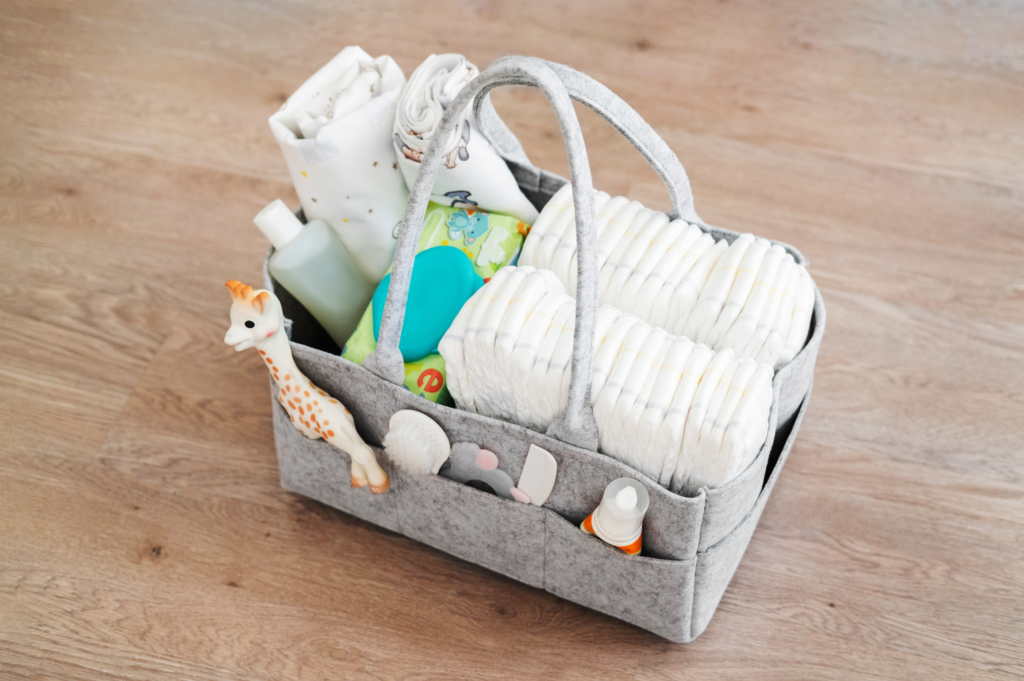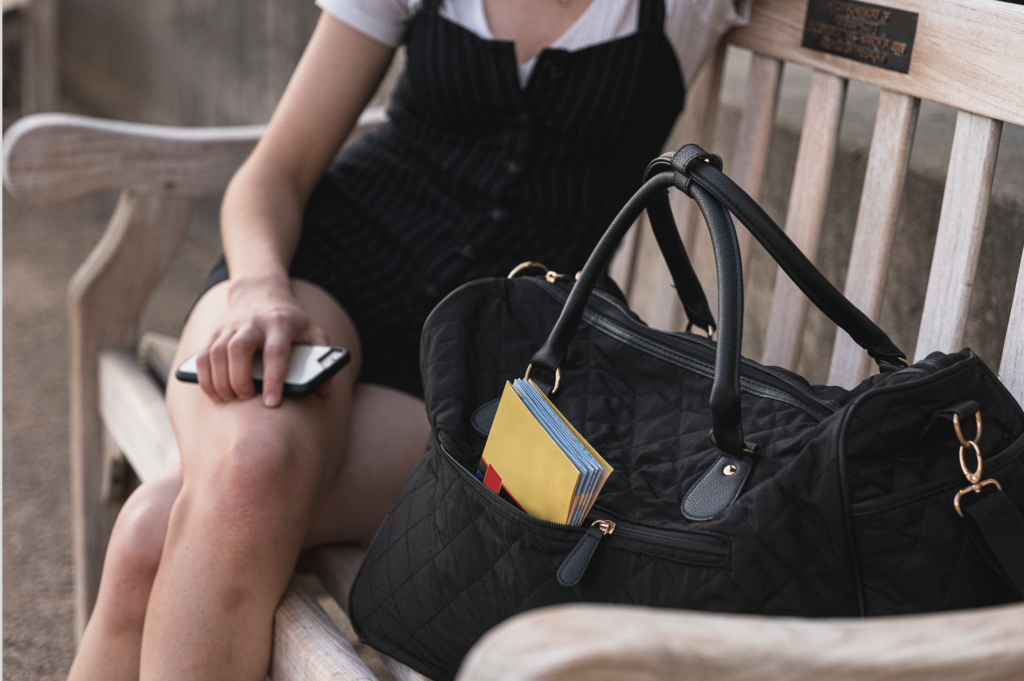

Disorganized storage is the single most cited complaint in diaper bag reviews across Amazon, Etsy, and major retail platforms. Read through any product listing with under four stars, and you will find the same pattern. Mothers are frustrated by bags that look spacious yet deliver nothing but chaos inside. Hence, brands that solve the diaper bag organization problem at the product level consistently outperform on return rates, repeat purchases, and review scores.
This guide breaks down exactly what intelligent diaper bag organization looks like at the product level. If you are evaluating suppliers or planning a private label line, this resource will help you source smarter.
Why Diaper Bag Organization Is the #1 Conversion Driver
Before sourcing or designing, it is worth understanding what your end consumers, predominantly young mothers aged 25-40, actually prefer. Price and aesthetics get the click. However, the diaper bag organization gets the five-star review and the repeat order.
Market research across consumer forums, product reviews, and social communities consistently identifies four outcomes that well-organized bags deliver to end consumers:
| Consumer Outcome | Business Benefit for Your Brand |
| Time saved searching for items during outings | Higher review scores, lower return rates |
| Reduced anxiety about forgetting essentials | Stronger emotional brand loyalty |
| Better hygiene through compartment separation | Fewer quality complaints, repeat purchases |
| Longer product lifespan through proper storage | Premium price justification, word-of-mouth referrals |
Understanding these drivers allows brand buyers and product managers to brief suppliers with precision rather than generic requests. The sections that follow translate these consumer outcomes into concrete product specifications.
Essential Diaper Bag Organization Systems: What Your Product Needs to Compete
The most important sourcing decision you will make for a diaper bag line is compartment architecture. Not the number of pockets, but the purpose of each pocket. Consumers can tell the difference between a bag designed around real usage scenarios and one padded with random pockets to hit a bullet-point count on a listing.
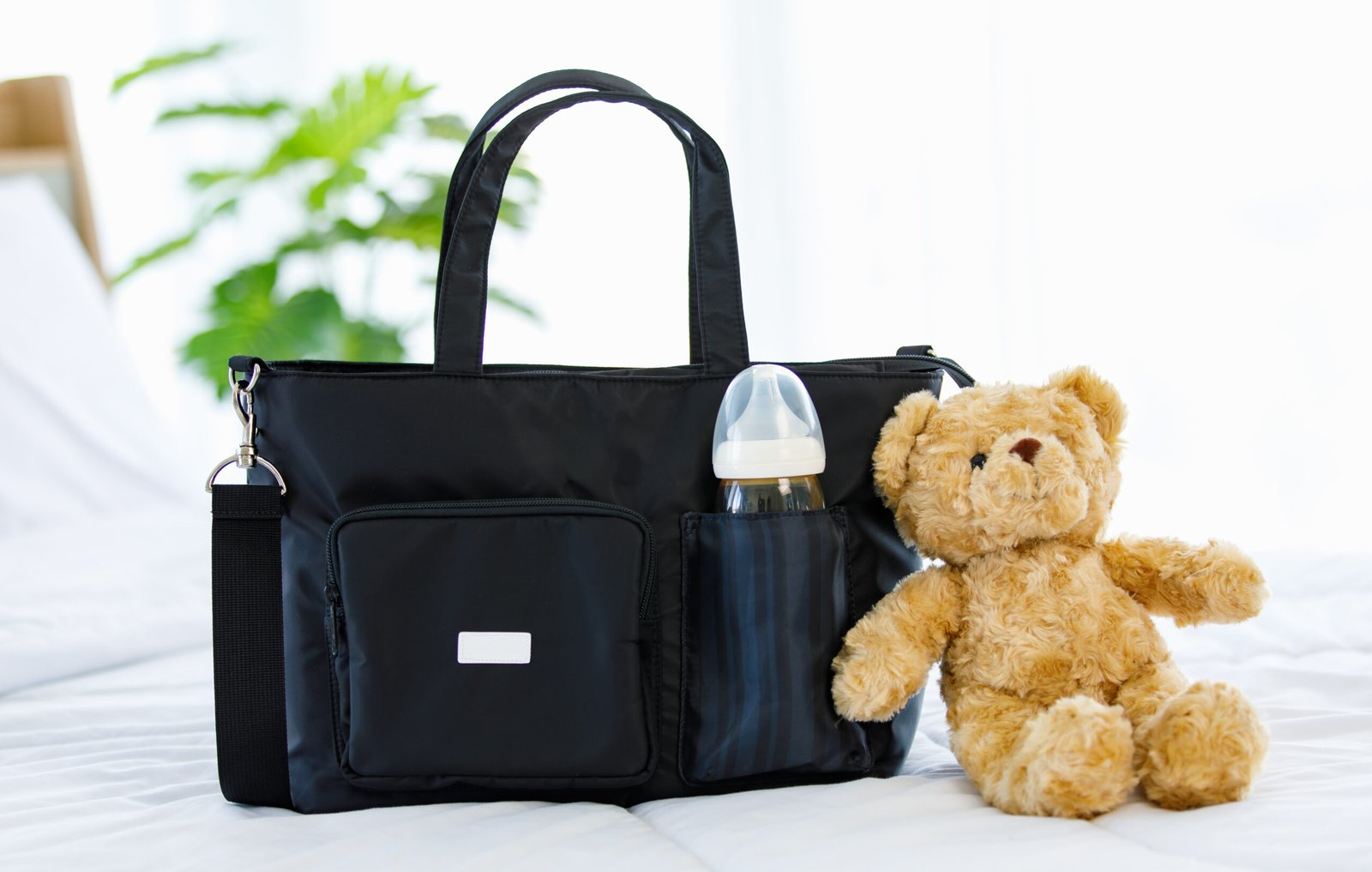
The Six-Compartment Standard That Drives Market Confidence
Based on consumer research across millions of parent travel scenarios, the following six-compartment configuration has emerged as the baseline expectation for quality diaper bags in Western markets. Any product below this standard will struggle to compete at mid-tier price points and above.
- Independent insulated, leak-proof bottle compartment: Fits 3-4 wide-neck bottles, aluminium foil lining, temperature retention 4-6 hours
- Sealed formula compartment: Stores 2-3 servings with a built-in scoop holder to eliminate loose powder spills
- Dry-wet separation pouch: Waterproof coating to isolate soiled clothes, wet bibs, or damp items from dry contents
- Dedicated diaper compartment: Structured to hold 5-6 diapers plus cream without compression damage
- Internal privacy zip pocket: For parent valuables (ID, bank cards), completely separate from baby items
- Rear anti-theft slip pocket: External back-panel placement for phone and wallet, accessible but secure
These six compartments are not aspirational features. They are the table stakes for any brand targeting the US or European market above the budget segment. A supplier that cannot manufacture all six with precision materials is not the right partner for a competitive product line.
Access Logic: The Overlooked Differentiator
Compartment count is visible on a listing. Access logic is experienced in real use, and it is what drives reviews. Two design elements that distinguish premium organized bags from average ones are:
- Wide-opening zip design: the bag opens completely flat, giving full visibility of all contents at once. Mothers should never have to fish through the bag blind.
- External quick-access pockets: tissues and wet wipes should be reachable without opening the main compartment essential during one-handed diaper changes or unexpected messes.
When briefing your supplier, ask specifically how access logic is tested. At Cuddle Capsule, every compartment layout is validated against one-handed access scenarios before going into production. This is the kind of manufacturing discipline that protects your brand’s review profile.
Further Reading: 7 Smart Diaper Bag Organization Hacks Every Mom Needs to Know
Storage Solutions for Different Scenarios: Designing for Market Segmentation
One of the strongest product strategy decisions a brand owner can make is deliberate size segmentation. The diaper bag market is not one-size-fits-all, and brands that offer a tiered range, each with scenario-specific organization capture more of the consumer journey and generate higher basket values.
The Three-Tier Size Framework
Consumer purchase behavior in this category aligns closely with outing duration. Mapping your SKU range to this behavior creates a natural upsell path:
| Size Tier | Target Consumer Scenario | Key Organization Priority |
| Mini (5L) | Short outings under 1 hour eg: errands, doctor visits | Streamlined lightweight portability, simplified compartments |
| Standard (12L) | Half-day trips eg: playdates, shopping, family visits | Full 6-compartment system, balanced weight distribution |
| Large (20L) | Full-day or 1-2 night trips eg: travel, extended outings | Expandable bottom storage, dedicated food container slots, maximum capacity with comfort |
For retail buyers and wholesale distributors, this tiered framework also simplifies range decisions. A three-SKU entry into the category covers the full consumer journey without redundancy. For retailers and sellers, size variation within a parent listing significantly improves conversion by letting consumers self-select rather than compromise.
Modular Design for Extended Trips: What to Brief Your Supplier On
The large capacity tier requires specific manufacturing attention that many suppliers underestimate. For full-day and overnight use, your end consumers need:
- Expandable bottom compartment folds flat when empty, expands to hold stroller rain covers or light jackets.
- Dedicated slots for baby food containers that prevent movement and damage during transit.
- Two complete outfit change capacity, which requires structural diaper bag organization, not just volume.
- Multiple bottle accommodation for a minimumof 4-5 bottles in the insulated section.
- A detachable, 30 x 40 cm minimum, waterproof and anti-slip surface diaper-changing mat.
These are the features that push a product from functional to premium in the consumer’s eyes and that justify high price points in markets. Brands that brief suppliers on scenario-specific storage requirements consistently produce more differentiated products than those that spec by volume alone.
Material Selection for Organization: What Actually Makes a Bag Perform
Material specification is where brand buyers most frequently leave margin on the table. The right material choices do not just affect durability; they directly impact the diaper bag organization, the safety profile for end consumers, and your brand’s ability to make credible quality claims in Western markets.

Lightweight Materials
Here is a counterintuitive truth that experienced buyers understand: a heavy bag undermines its own organization system. When the bag itself weighs 1.5-2 kg empty, mothers load it conservatively and avoid using all compartments because the weight becomes unmanageable. The organizational features you paid to engineer go unused.
The material specification that solves this is ultra-light nylon canvas, approximately 30% lighter than traditional Oxford fabric. Combined with high-strength lightweight alloy hardware instead of steel components, an empty bag should come in between 0.8 and 1.2 kg. At this weight, end consumers use the full compartment system as intended, which drives the reviews and retention that justify your product positioning.
| Supplier Briefing Note: When evaluating manufacturers, request the empty weight specification before any other product data. An empty bag over 1.3 kg signals either suboptimal material selection or unnecessary structural additions. Either reduces the organizational effectiveness of the product in real use. |
Safety Standards
For brand owners and private label buyers targeting the international market, material safety certification is not a premium feature; it is a market access requirement. Your end consumers are placing items that touch their babies’ skin and mouths into this bag every day. Any safety complaint on a public review platform is extremely difficult to recover from.
The key standards to brief your supplier on:
- GB 31701 Class A baby safety certification: This covers outer fabrics and interior linings, confirming freedom from formaldehyde, fluorescent agents, and heavy metals
- Eco-friendly water-based waterproof coatings: No odour, strong adhesion, breathability to prevent heat buildup. Avoid PFC-based coatings, which face increasing regulatory scrutiny in Europe
- Rounded and polished metal hardware: No sharp edges on zippers, clips, or decorative elements
When sourcing from Cuddle Capsule, all fabrics and linings comply with GB 31701 Class A as standard. This is not an optional upgrade; it reflects the founding principle that baby-grade safety is the floor, not the ceiling.
Durability Specifications
Organization systems fail when the physical structure fails. The following durability specifications directly protect the organizational integrity of the product throughout its lifecycle:
- Double stitching and reinforcement patches at high-stress points: Strap connections and zipper tracks experience the most repetitive load
- YKK or equivalent premium zippers: Tested for smooth operation through a minimum of 500 pull cycles without failure. Cheap zippers that stick or separate make compartments inaccessible and trigger returns
- Anti-slip, abrasion-resistant bottom feet: Allow the bag to stand upright on any surface. When a bag collapses sideways, the internal organization collapses with it
- Triple quality inspection protocol: fabric testing, functional testing, and random detail checks on every production batch
These specifications translate directly to review quality and return rates. Brands that brief suppliers on durability as precisely as they brief on aesthetics consistently build more defensible market positions.
| Further Reading: Diaper Bags With Best Compartments: 2026 Buying Guide |
Practical Sourcing Intelligence
Understanding what a good diaper bag organization looks like in a finished product is valuable. Knowing how to evaluate whether a factory can actually produce it consistently is what separates experienced brand buyers from first-time importers.
Questions to Ask Any Diaper Bag Manufacturer
When assessing a potential supplier’s ability to deliver well-organised bags at scale, these questions will separate genuine manufacturing capability from surface-level claims:
- What is your empty bag weight specification, and how do you control it across production batches?
- Can you demonstrate your compartment waterproofing process and the coating standard used?
- What zipper brand and pull-cycle testing standard do you apply?
- How do you test one-handed access on each compartment design before production approval?
- What quality inspection protocol covers organizational features, specifically not just visual finish?
- Can you provide documentation for your fabric safety certifications, including test reports from third-party labs?
- What is your process for OEM/ODM customization of compartment layouts?
A manufacturer that cannot answer these questions with specifics, not generalities, is not positioned to protect your brand’s organizational quality promise in the market.
Common Sourcing Mistakes That Undermine Organization
Experienced buyers in the diaper bag category recognize several sourcing patterns that consistently lead to underperforming products:
- Specifying by pocket count rather than compartment purpose results in bags with many pockets, none of which are precisely engineered for their function
- Overlooking empty bag weight in initial specs leads to products that consumers find too heavy to use correctly, negating the diaper bag organization system entirely
- Skipping safety certification verification creates downstream market access risk, especially in the European market, where regulations are tightening
- Under-briefing on access logic, a manufacturer who only hears ‘six compartments’ will not automatically design intelligent opening widths and external quick-access positioning
- Choosing the lowest-cost zipper specification is the number one physical complaint in negative diaper bag reviews and the fastest route to high return rates
Detailed Features That Drive Premium Positioning in Western Markets
Beyond the core six-compartment architecture, a range of detail-level features separates brands that compete on price from those that command premium positioning in US and European retail and e-commerce.
These are the features your end consumers notice in-use rather than at the point of purchase which makes them the most powerful drivers of positive reviews and word-of-mouth:
| Detail Feature | Consumer Benefit | Brand Positioning Value |
| Breathable mesh back panel (summer) | Reduces heat buildup during warm weather use | Seasonal relevance, premium thoughtfulness signal |
| Thickened bottle insulation (winter) | Extended heat retention in cold environments | Attaches wipes, toys, and small accessories externally |
| Detachable changing mat (30x40cm, waterproof) | Diaper changes without dedicated baby rooms | Strongest single differentiator in market research |
| USB charging port (power bank compatible) | On-the-go phone charging during outings | Modern lifestyle alignment, tech-forward positioning |
| Shoulder hooks for accessories | Attaches wipes, toys, small accessories externally | Practical innovation, Instagram-friendly utility |
For brand buyers planning a product line, these features represent a clear premiumization pathway. A base SKU with core organization can be elevated to a premium SKU through strategic addition of two or three of these details without requiring a fundamentally different manufacturing process.
Cuddle Capsule: Manufacturing Intelligence Built Around Organization
Founded in 2015 by a first-time mother who could not find a bag that genuinely solved the organization problem, Cuddle Capsule has built its entire manufacturing philosophy around a single question: what does a mother actually need, and how do we engineer it precisely?
What This Means for Brand Buyers and Retailers
For brand owners, private label businesses, Amazon sellers, retail buyers, and wholesale distributors evaluating Cuddle Capsule as a manufacturing partner, the organization-first philosophy translates into concrete sourcing advantages:
| Your Sourcing Need | Cuddle Capsule Capability |
| Proven compartment architecture | 6-compartment standard configuration validated across millions of consumer use cases |
| Safety compliance for Western markets | GB 31701 Class A certification on all fabrics and linings as standard |
| Flexible order volumes | Standardised mass production AND customised OEM/ODM orders supported |
| Reliable quality at scale | Triple QC inspection, 99.8%+ pass rate across all production batches |
| Weight-optimised designs | Empty bag weight 0.8-1.2 kg through ultra-light material specification |
| Style range for market differentiation | Three style lines: minimalist commuter, fresh nature-inspired, retro light-luxury |
For brands evaluating private label or OEM/ODM manufacturing partnerships, the level of design precision and quality infrastructure described in this guide is the baseline at Cuddle Capsule. Explore custom manufacturing options at cuddlecapsule.com/oem-odm.
| Further Reading: Cuddle Capsule Mommy Bag Features: Intelligent Storage Systems Explained Detailed product feature breakdown — ideal for brand buyers assessing specification depth and manufacturing precision before inquiry. |
Conclusion
The diaper bag category rewards brands that take organization seriously at the product specification level. When compartment architecture, material selection, access logic, and detail features are briefed with precision, the result is a product that earns the reviews, retention, and referrals that build durable brand equity in Western markets.
Browse the Cuddle Capsule Mommy Bags collection to see how these organizational principles translate into production-ready products. For brands evaluating private label or custom manufacturing partnerships, explore Cuddle Capsule OEM/ODM services where organization-first manufacturing meets flexible, scalable production.
Frequently Asked Questions
1. What compartment configuration should I brief my supplier on for a Western market diaper bag?
The six-compartment standard is the competitive baseline for mid-tier and above diaper bags in the US and European market: an insulated leak-proof bottle compartment, a sealed formula section with scoop holder, a dry-wet separation pouch, a structured diaper compartment, an internal privacy pocket, and a rear anti-theft slip pocket. Any product without this full configuration will struggle to compete on review quality at price points above the budget segment. Beyond the count, brief your supplier on the functional specification of each compartment insulation rating, waterproof coating standard, and zipper quality, not just its existence. Cuddle Capsule manufactures this six-compartment configuration as the standard starting point for all product lines, with OEM/ODM customization available beyond the baseline.
2. How do I know if a manufacturer’s organization system will actually perform in the consumer’s hands?
The most reliable indicators are access logic testing and real-use scenario validation, not just visual inspection of the finished product. Ask your supplier whether they test compartments for one-handed access, whether they validate wide-opening zip performance against a fully loaded bag, and whether quick-access external pockets are placed based on ergonomic research rather than aesthetic preference. Request samples and test them loaded with actual baby items across the usage scenarios your target consumers face. A bag that is beautifully organized empty, but collapses into chaos under real load has failed the core brief. Cuddle Capsule validates every compartment layout against real-world usage scenarios derived from research into the travel patterns of millions of mothers before any design moves into production.
3. How does size tiering strategy affect retail and e-commerce performance?
Brands offering a deliberate three-tier size range, approximately 5L, 12L, and 20L, consistently outperform single-SKU diaper bag strategies in Western e-commerce. Size variation within a parent listing improves conversion by allowing consumers to self-select rather than compromise on a single option. In retail, a tiered range covers the full consumer journey: impulse purchase at mini, considered purchase at standard, and aspirational purchase at large. For wholesale distributors, tiered pricing across the range creates natural margin stratification. The key is ensuring each size tier has its own scenario-specific organization architecture rather than simply scaling the same design. A mini bag should have simplified but precise compartments, not a cramped version of the large bag.
4. What are the most common OEM/ODM customization requests for diaper bag organization?
The most frequent customization briefs received from brand owners and private label buyers center on four areas: compartment layout modifications for specific market segments (nursing mothers, formula-feeding families, or parents of multiples), custom size specifications outside standard tiers, proprietary print and colorway development, and the addition of detail features such as USB ports, changing mats, or seasonal insulation upgrades. Label and branding customization is standard across all OEM orders. The most sophisticated briefs come from brand owners who have studied their consumer reviews and are specifying changes to address identified complaints. This research-led approach to customization consistently produces stronger products. Cuddle Capsule supports full OEM/ODM customization from compartment architecture through to final packaging.
5. How do I evaluate whether a diaper bag organization will hold up over its product lifecycle?
Performance of diaper bag organization is determined primarily by three construction elements: zipper quality and testing standard, stitching reinforcement at high-stress points, and the structural integrity of compartment dividers under repeated loading. The minimum acceptable standard for a quality product is 500 cycles without failure. The quality inspection protocol your manufacturer uses is also critical: a triple inspection process covering fabric testing, functional testing, and random detail checks is the baseline for a quality partner. Cuddle Capsule applies this triple inspection across every production batch, achieving a consistent pass rate above 99.8%.
6. How important is ergonomic design to diaper bag commercial performance?
The carrying system strap construction, padding quality, weight distribution architecture, and alternative carry modes directly affect how long and how often end consumers use the product. Key specifications to include in any brief: S-shaped ergonomic shoulder straps with breathable padding, non-slip silicone strips to prevent strap migration during movement, detachable stroller hooks with a minimum 5 kg load capacity, and support for at least three carrying modes (handheld, single-shoulder, and backpack). Reinforced anti-slip bottom feet ensure the bag stands upright when set down, which also preserves the internal diaper bag organization by preventing contents from shifting. Cuddle Capsule integrates all of these ergonomic elements as standard, not upgrades.
7. How can I use diaper bag organization as a brand storytelling asset?
Brands that make diaper bag organization a core narrative, not just a feature list consistently build stronger consumer relationships. Content strategies that perform well include scenario-based demonstrations, compartment-specific education that positions the brand as genuinely understanding parental needs, and user-generated content inviting customers to share their personal organization systems. This kind of content also directly supports B2B buyer confidence: retailers and distributors are far more willing to commit to a line with an active, credible consumer content strategy behind it. Cuddle Capsule supports brand partners with product knowledge resources and manufacturing documentation to fuel this kind of storytelling authentically.